
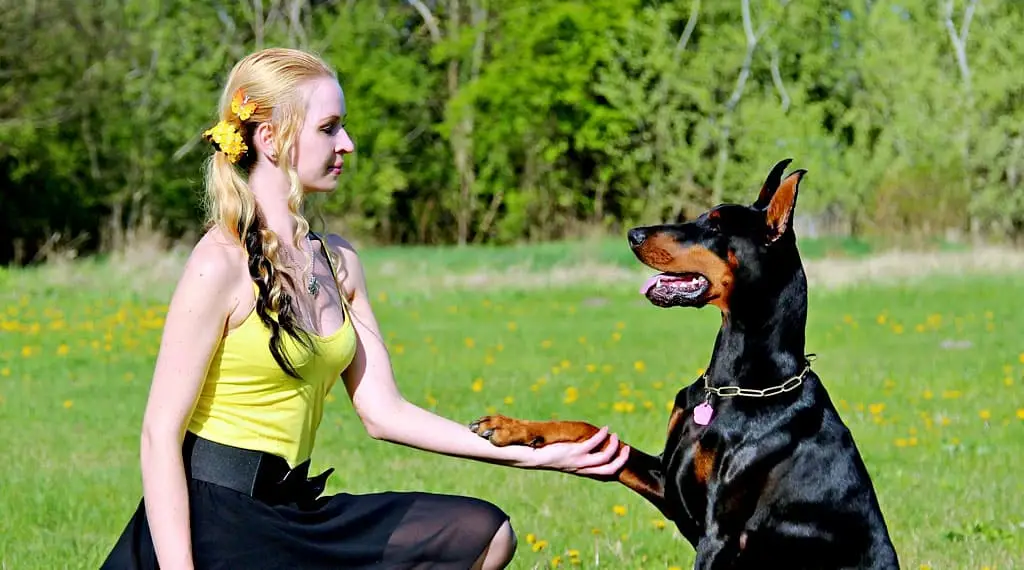
Training your puppy can feel overwhelming at first, but with patience, consistency, and love, you can raise a well-behaved and happy dog. Whether you’re a new pet parent or you’ve had dogs for years, these 20 tips for your dog training will help you understand your furry friend better and strengthen your bond. 20 Tips for Your Dog Training
- Start Training Early
The earlier you begin, the easier it is for your dog to learn. Puppies are like sponges — they absorb new commands quickly. Therefore, begin teaching basic commands such as sit, stay, and come as soon as possible. Starting early also helps prevent unwanted habits from forming.
- Be Consistent
Consistency is key when it comes to dog training. For example, if you use the word “sit,” make sure everyone in your home uses the same command. This reduces confusion and helps your dog associate specific words with specific actions. Moreover, always reward good behavior and ignore or correct bad behavior right away.
- Use Positive Reinforcement
Dogs respond far better to praise and treats than to punishment. So, whenever your puppy does something right, reward them immediately with a treat or kind words. Over time, this encourages your dog to repeat the good behavior. In addition, positive reinforcement builds trust and strengthens your connection.
- Keep Training Sessions Short
Long training sessions can make your dog bored or tired. Instead, aim for short sessions of 10–15 minutes each day. As a result, your dog stays engaged and excited to learn. Also, end each session with a small success, so your pet always feels encouraged.
- Socialize Your Puppy Early
Socialization is one of the most important steps in dog training. Introduce your puppy to different people, sounds, and environments early on. For instance, take your dog for short walks in the park, let them meet friendly dogs, and allow them to experience car rides. This helps reduce anxiety and fear later in life.
- Be Patient
Training takes time — every dog learns at a different pace. So, avoid getting frustrated if your pet doesn’t master a command right away. Instead, stay calm and repeat lessons gently. Remember, patience builds confidence, while frustration can create stress for your pet.
- Use the Right Training Tools
A good leash, harness, and treats are essential for effective dog training. In addition, consider using clickers for positive reinforcement. With the right tools, your training sessions become smoother and more fun for both of you.
- Practice Every Day
Just like humans, dogs need repetition to learn new skills. Therefore, make training part of your daily routine. For example, practice commands before meals or during walks. Over time, these small moments add up to big progress.
- Avoid Distractions During Training
When your dog is still learning, train in a quiet environment with minimal distractions. Once your dog understands a command, gradually introduce new settings like the park or your backyard. This way, your dog learns to obey you in different situations.
- Reward Calm Behavior
Often, owners only reward excitement, but calmness deserves attention too. So, when your puppy is sitting quietly or resting peacefully, give them gentle praise. Gradually, your dog will learn that calm behavior brings rewards too.
- Use Clear Commands
Keep your commands short and simple. Words like “sit,” “stay,” or “down” are easy for dogs to recognize. Furthermore, always use the same tone of voice — firm but friendly.
- Exercise Regularly
A tired dog is a happy dog. Regular walks and playtime help release your puppy’s energy and make training sessions more effective. Additionally, physical activity improves your dog’s overall health and behavior.
- Teach Bite Inhibition
If your puppy nips or bites during play, stop immediately and say “no” firmly. Then, redirect their attention to a chew toy. Over time, your dog learns that gentle play is the only way to interact.
- Introduce Crate Training
Crate training can make your puppy feel safe and secure. Moreover, it helps with potty training and prevents destructive behavior when you’re not home. Just make sure your dog associates the crate with comfort, not punishment.
- Make Learning Fun
Use games like fetch or hide-and-seek to make training enjoyable. For example, hiding treats around the house can help improve your dog’s focus and scent-tracking ability. As a result, your dog learns faster while staying happy and active.
- Avoid Harsh Punishment
Never yell or hit your dog. Negative punishment only creates fear and breaks trust. Instead, focus on redirection and reward-based correction.
- Gradually Increase Challenges
Once your dog masters basic commands, introduce more complex ones like “roll over” or “fetch the leash.” This keeps your dog mentally stimulated and eager to learn more.
- Keep a Routine
Dogs thrive on structure. Therefore, feed, walk, and train your puppy around the same times daily. Consistent routines help reduce anxiety and promote faster learning.
- Know Your Dog’s Personality
Each breed — whether Shih Tzu, Maltese, or Yorkie — learns differently. So, pay attention to your dog’s temperament and adjust your approach accordingly. Understanding their personality helps you train smarter, not harder.
- Celebrate Every Success
Finally, always celebrate progress — even small wins matter! Whether your dog learns a new command or stops barking excessively, reward them with love and praise. After all, every step forward strengthens your bond.
Final Thoughts
Training your puppy doesn’t have to be stressful. With these 20 tips for your dog training, you can raise a loyal, obedient, and happy companion. Remember — patience, consistency, and love are the ultimate tools for success.
For more helpful dog care and puppy training guides, visit TreasuredPuppiesHome.com
— your trusted partner for healthy, well-trained, and adorable puppies!